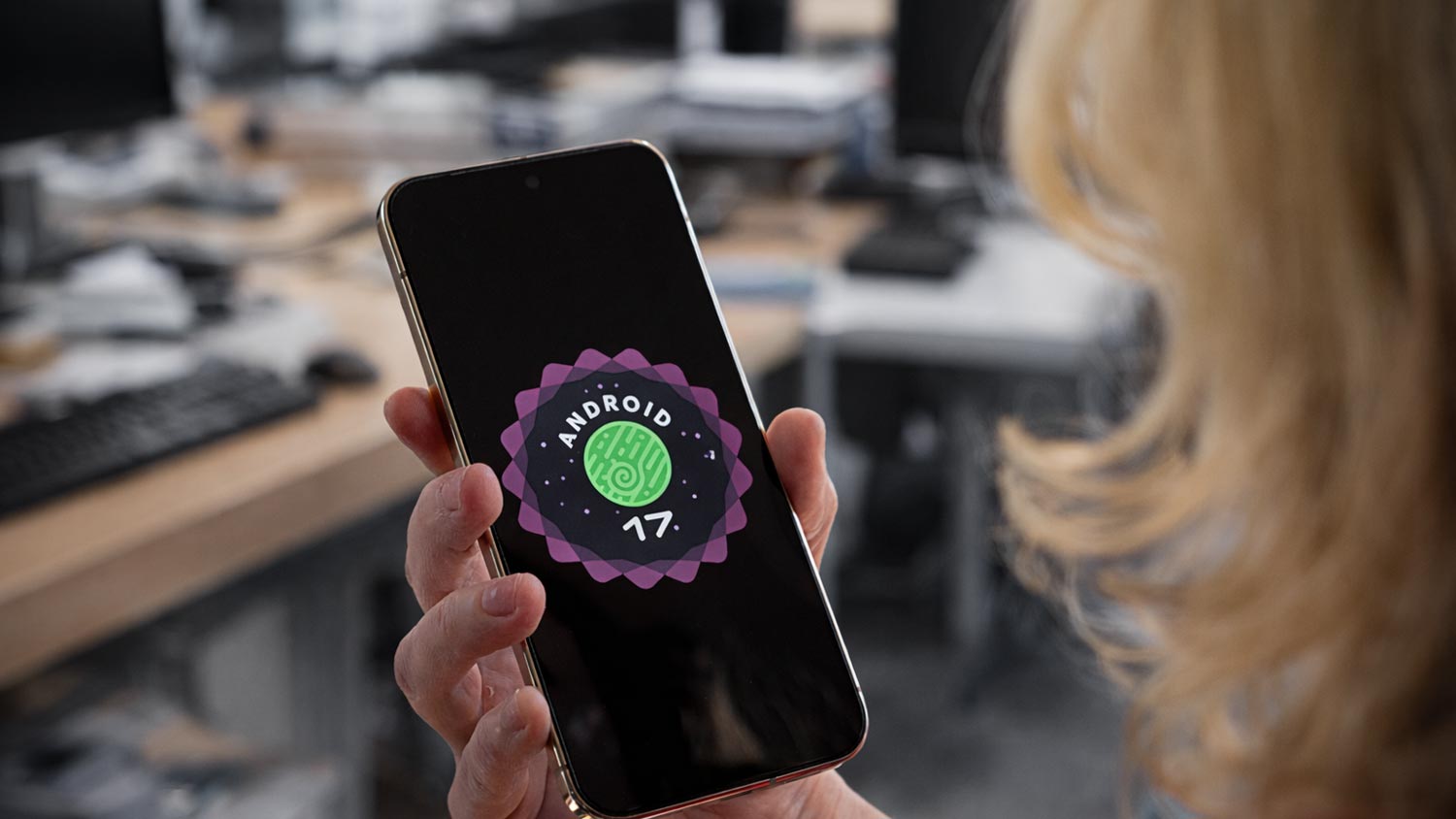
After a brief false start earlier this week, Android 17 Beta 1 is officially rolling out to supported Pixel devices. A few days ago, reports suggested the beta had gone live,only for Google to quietly pull the release without explanation. Now, a couple of days later, Android 17 has arrived for real.
If you own a recent Pixel device, you can install the beta today. Just don’t expect a dramatic visual overhaul. This first public build is less about flashy features and more about foundational system upgrades aimed at developers.
A Beta Focused on What’s Under the Hood
At this early stage, Android 17 is primarily a platform update. Google is concentrating on system-level improvements and API changes, laying the groundwork for more visible enhancements later in the cycle.
Adaptive Apps: No More Opt-Out
One of the most significant changes in Beta 1 is expanded support for adaptive apps.
Android 16 introduced improved scaling capabilities, allowing apps to better adapt to different screen sizes—particularly important for tablets, foldables, and multi-display devices. However, developers were allowed to opt out.
That changes with Android 17.
Any app targeting API level 37 (Android 17) must now support:
- Resizable windows
- Windowed multitasking
- Proper scaling across screen sizes
While developers can temporarily target older API levels, Google increasingly filters outdated apps from the Play Store. The message is clear: adaptive design is no longer optional.
For large-screen devices, like Pixel tablets and foldables, this marks a decisive shift toward a more seamless user experience.
Camera and Media Get Smarter
Android 17 Beta 1 also introduces improvements to media and camera functionality.
Smoother Camera Switching
The updated camera API allows apps to switch between camera sensors more smoothly, eliminating the need to restart activities during transitions. The result is a more fluid experience in photography and video apps, especially those using multiple lenses.
Professional-Grade Video Support
Android 17 adds native support for Versatile Video Coding (VVC), a next-generation video standard.
VVC delivers:
- More efficient video encoding
- Improved decoding performance
- Better compression without sacrificing quality
For creators and media-heavy applications, this opens the door to higher-quality video workflows with reduced storage and bandwidth demands.
Performance Optimizations: Generational Garbage Collection
Behind the scenes, Android 17 debuts performance optimizations that improve system resource management.
Google is introducing generational garbage collection, a memory management technique designed to:
- Remove unused processes more frequently
- Reduce CPU load during cleanup
- Improve overall system responsiveness
The aim is to create a smoother, more efficient operating system, particularly on devices juggling multiple tasks or demanding applications.
What About User-Facing Features?
For now, there’s little in the way of visible changes.
Android 17 Beta 1 is packed with technical upgrades that will excite developers, modders, and platform engineers. For everyday users, however, this is more of a structural update than a design refresh.
More consumer-facing features are likely to be announced in the coming months.
Android 17 Release Schedule: A Two-Phase Rollout
Google is continuing the new release model introduced last year.
Two Releases in 2026
Android 17 will follow a split schedule:
1. Major Release – Q2 2026
- Significant API updates
- Behavioral changes
- New platform features
- The primary evolution of Android 17
2. Minor SDK Release – Late 2026
- Additional API refinements
- Select feature updates
- Often referred to informally as “Android 17.1”
This approach aligns Android’s update cycle more closely with major OEM device launches.
Pixel First, Everyone Else Later
As usual, Pixel devices are first in line.
Google’s own hardware receives immediate updates, while other manufacturers must adapt and deploy Android 17 to their devices over subsequent weeks, or even months. Availability outside the Pixel ecosystem will depend heavily on OEM timelines.
The Bottom Line
Android 17 Beta 1 may not be flashy, but it’s strategically important.
- Adaptive design is now mandatory.
- Camera and video capabilities are more advanced.
- Performance improvements focus on smarter resource management.
- The two-phase release model continues into 2026.
For developers, this beta signals a clear direction: Android is optimizing for larger screens, modern media standards, and better performance efficiency.
For users, the real excitement is likely still ahead.