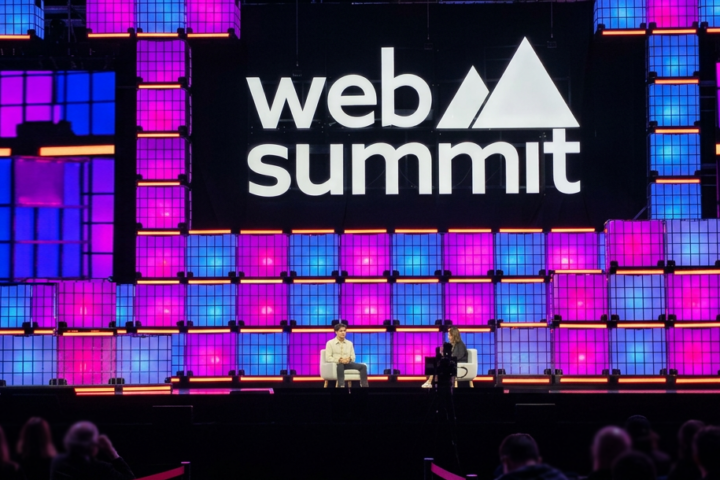
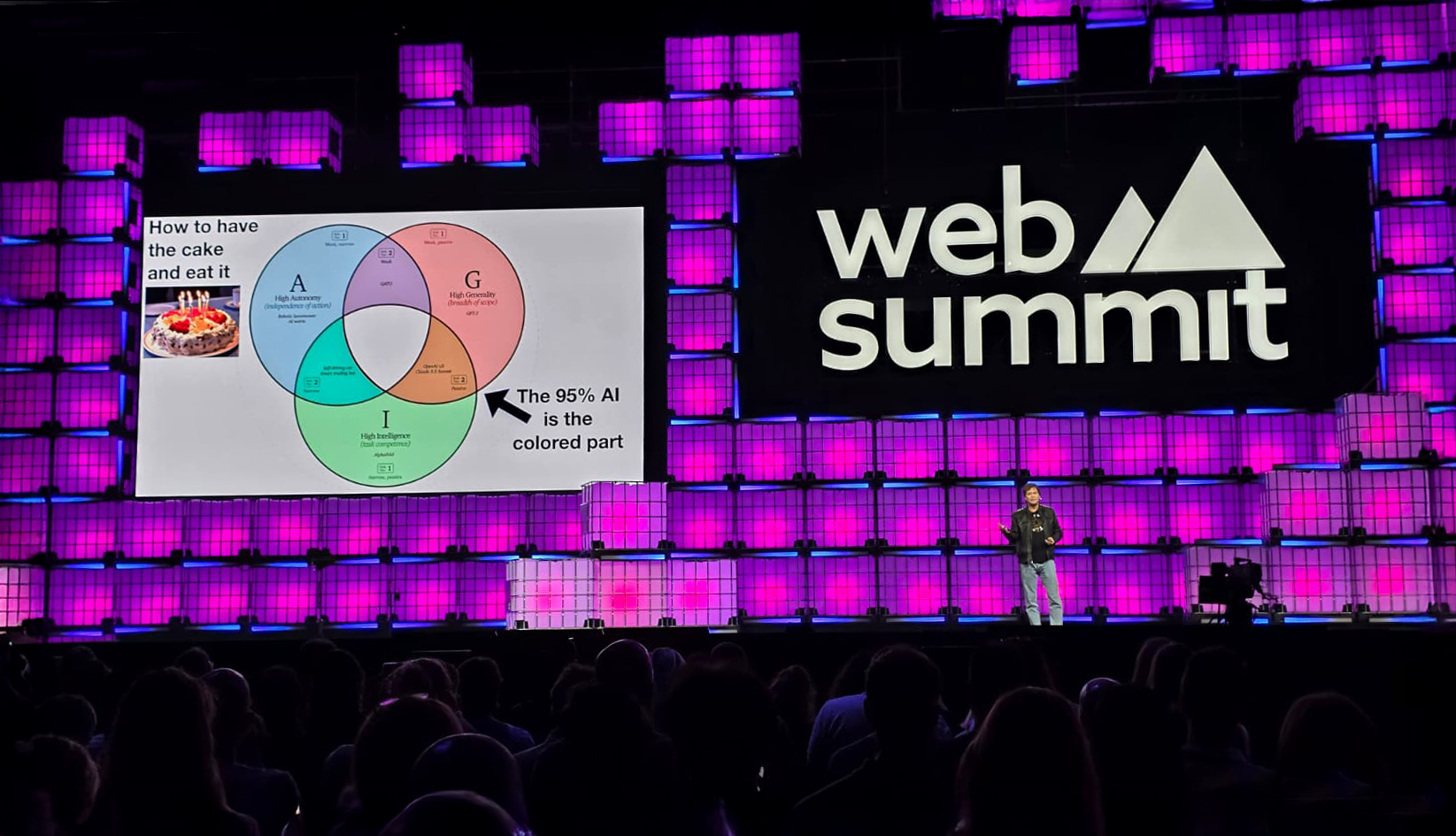
Day 1 felt less like “future shock” and more like a checklist for shipping the next 12 months: AI that explains itself, workflows that delete meetings, creators who become showrunners, and newsrooms rebuilding trust with products, not press releases. Here are the big arcs – and the punchy quotes that stuck.
News is becoming a product again, with trust as the feature
TIME’s team framed the day with a simple stance: give audiences control, then earn trust inside clear guardrails. They launched Time.ai – translations in 13 languages (including Portuguese), summaries, context from 750k archival assets, and audio, all built with platform partners and safety rails. “It’s how content is experienced and interacted with now… it’ll keep you safe in guardrails,” they stressed, after re-platforming with Code and Theory and Scale AI to keep outputs “safe, reliable, and trustworthy.”
The counterweight came from The Independent: “reinventing trust” is the mission; stop chasing “tribal” audiences and push readers to decide for themselves – precisely because AI will flood distribution. Expect trust UX (source trails, provenance, and formats that default to verification) to become table stakes across European media.
Why it matters: In a year when distribution tilts toward AI agents, trust becomes a product surface, not a slogan. If you can’t show how you sourced, translated, and summarized, users will bounce.
The new productivity: fewer meetings, more outcomes
Across “The New Productivity” and “Rewriting the workweek,” leaders converged on an outcomes-over-hours culture. RemoFirst’s CEO outlined a simple remote triad – alignment, autonomy, intelligence – with AI powering searchable documentation and onboarding (“we don’t track hours; we track impact”).
Data from meeting-intelligence tooling shows AI cuts meeting load by extracting actions and memory from calls – fewer “meetings about meetings,” and less Monday dread. The practical definition of “good work” that kept returning: small teams, clear standards, deep-focus time, and AI erasing admin so people can do the work they’re hired to do.
“Great work doesn’t mean staying the longest hours… it means impact and outcomes.” Why it matters: Expect 2026 OKRs to normalize agentic workflows – copilots that schedule, draft, file, and remind – while leaders judge teams on shipped value, not calendar density.
Creators ≠ billboard space. They’re showrunners, and brands are becoming producers
Two companion sessions (“Shaping entertainment’s next era” Parts 1 & 2) crystalized a restless industry: the gatekeeper funnel is broken, fans now decide who’s famous, and the winning formats are episodic universes designed for derivative short-form – because more people will see the clips than the “hero” episode.
“Creators are the new showrunners… brands will be the new producers.” Concrete shifts are already visible: subtle brand-financed films (even Oscar-nominated shorts with zero overt plugs), brand-backed podcasts where most views come from the clips, and pitch rooms where arriving with a financing brand attached raises green-light odds.
Why it matters: If you market with creators in 2026, think seasons, not spots – provide financing, story infrastructure, and a clip strategy that feeds distribution natively.
Copyright in the AI era: from whack-a-mole to pre-clear at creation
Rights experts pushed a pragmatic reset: build enforcement into the point of creation and open attribution so AI systems can route value back to rights holders. The goal: a “perfect environment” where tools, creators, platforms, and fans can participate without collapsing creator income. Europe’s influencer economy (~€35B) needs harmonized licensing so budgets don’t leak away via unlicensed IP and likenesses. Policy levers like Article 4 (text/data mining) of the EU Copyright Directive and a new Copyright Knowledge Centre were flagged to accelerate fairness.
Why it matters: 2026 tooling will look different: provenance baked in, automatic clearances, and revenue sharing that feels as seamless as an ad tag.
Ads, identity, and explainability: accountability moves into the stack
On the ad-tech front, Mozilla’s crew championed “Why this ad?” with receipts – users shouldn’t only see a banner; they should understand how an AI decided to show it (and be able to audit or opt out). That’s privacy + accountability packaged as UX, not a policy PDF.
Meanwhile, ICANN’s session reminded founders that domain strategy is back: with the next new gTLD round slated for 2026, digital identity, trust, and memorability are again competitive levers – especially as AI assistants parse brands by clean, consistent namespaces.
Why it matters: If your growth plan leans on AI distribution, your identity layer must be machine-legible and user-verifiable – from domains to disclosure.
Purpose without performance theater
In “Cut the noise, create impact,” leaders argued that authentic, values-led narratives still drive loyalty – if they’re welded to frictionless UX and a big, defensible vision (think second-hand as the default, not a niche). Investors are warming back up to purpose – as long as the language anchors in end-value and scale mechanics.
Why it matters: Your purpose story should read like a product roadmap – clear user wins, operational moats, and measurable externalities.
Quick hits from Day 1
- Work OS: AI-first notes and agents are quietly killing status meetings; default to document once, reuse many.
- Clip economics: Budget for clips as distribution, not as leftovers – most views live there.
- Creator deals: Expect longer brand partnerships structured around episodic IP, not one-off posts.
- Rights rails: Tooling that attributes by default will win platform adoption (and regulator goodwill).
- Trust UX: News and ads alike will ship explainability features users can tap, not hunt for.
- Identity: Start your domain plan now – new gTLDs expand the namespace in 2026.
Web Summit 2025 opened with less hype, more operating instructions. The next edge won’t come from sprinkling AI on top – it will come from rewiring how we work, publish, pay, and prove. Trust is productized. Meetings are minimized. Clips carry the culture. And creators, platforms, and policy are finally sketching the same diagram.
Catch up with our complete Web Summit 2025 series:
Web Summit 2025 Opens with a Power Shift: Pix, Poland and Sovereign AI Take Center Stage
Web Summit 2025 Day 2: AI Steps Off the Screen and Into the Real World
Web Summit 2025 Day 3: Health OS, Query-Based Media and the Race to Zero-Delay Money