
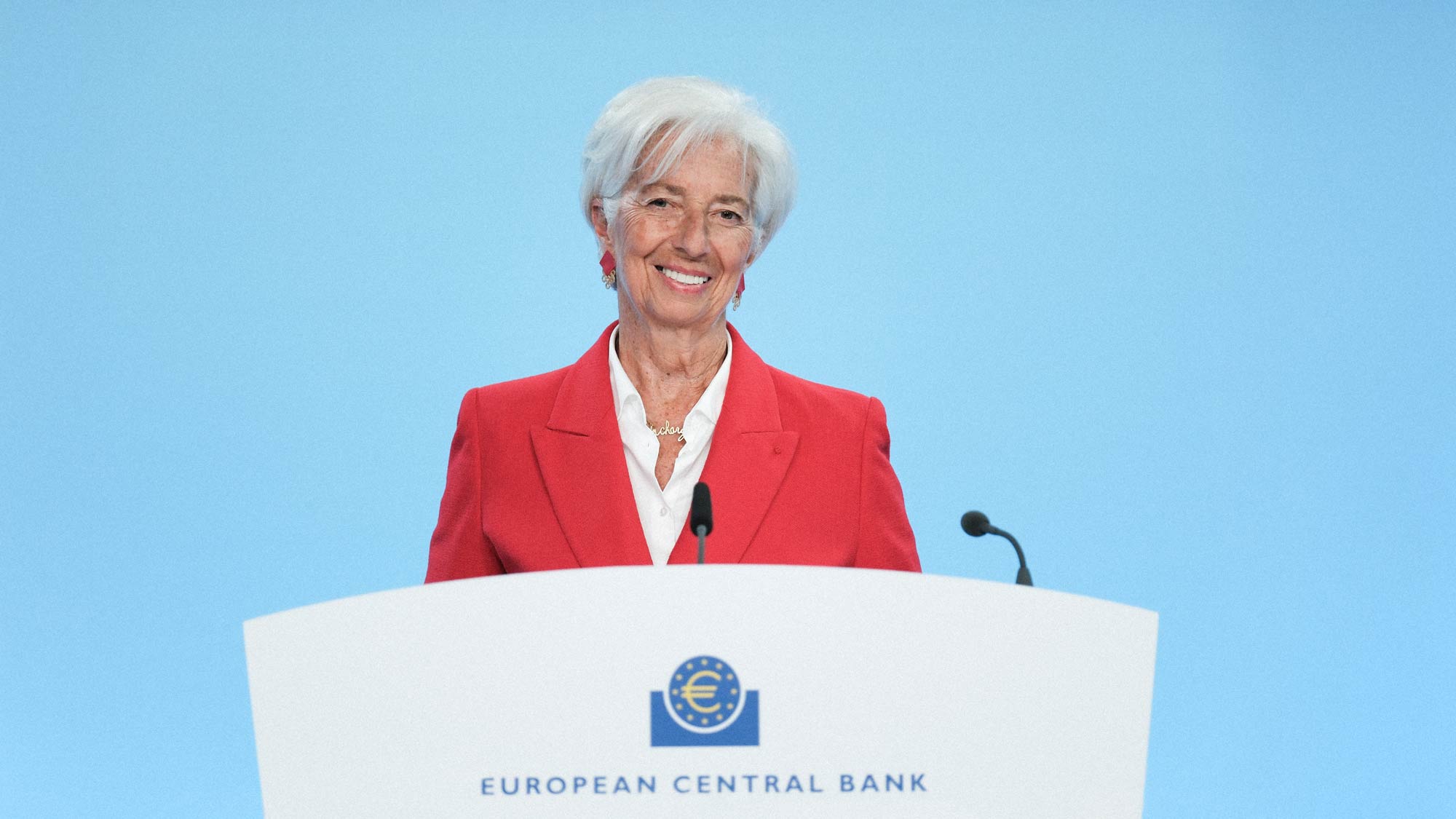
The European Central Bank stands at a crossroads that will determine whether Europe controls its financial destiny or surrenders it to foreign powers. This October’s digital euro decision represents far more than monetary policy, it’s Europe’s final opportunity to reclaim control over a payments ecosystem increasingly dominated by non-European giants.
With cash usage plummeting and global competition intensifying, the ECB faces mounting pressure to deliver a uniquely European solution to the digital payments revolution.
The Urgency Behind the Timeline
The numbers tell a compelling story of transformation. In just five years, cash payments across the eurozone have collapsed from 68% to 40% by volume, while their share by value has plunged even more dramatically, from 40% to a mere 24%. This isn’t a gradual change; it’s a fundamental shift in how Europeans conduct business, and it’s accelerating.
Against this backdrop, the ECB’s October 2025 decision deadline takes on new significance. The current preparation phase, launched in November 2023 with a substantial 1.2 billion euro budget for external contracts, represents more than technical development—it’s Europe’s attempt to maintain monetary control in an increasingly digital world.
A Tale of Two Continents
The contrast with American policy couldn’t be starker. While President Trump’s administration establishes strategic Bitcoin reserves and explicitly bans central bank digital currencies, Europe is doubling down on government-backed digital money. This divergence reflects fundamentally different philosophies about the role of central banks in the digital economy.
ECB Executive Board member Piero Cipollone has been clear about the underlying concern: approximately two-thirds of eurozone card transactions currently flow through non-European payment systems. For a monetary union built on the principle of European integration, this dependence on external infrastructure represents both an economic and strategic vulnerability.
Privacy as a Competitive Advantage
The digital euro’s design philosophy centers on choice and privacy two areas where European regulators see clear differentiation opportunities. Unlike many digital payment systems, the proposed currency would make offline transactions as private as physical cash, with the ECB explicitly committing not to track individual purchases.
This privacy-first approach extends to the system’s architecture. Transaction data would be processed only by service providers operating under European data protection regulations, not by the central bank itself. For consumers, usage would be free, though the system would include holding limits designed to prevent massive deposit flights from commercial banks.
The technical implementation promises versatility: mobile applications, payment cards, and wearable devices would all support both online and offline transactions, maintaining functionality even without internet connectivity.
What’s in it for the Banking Sector
Perhaps the most delicate aspect of the digital euro project involves managing its impact on traditional banking. The inclusion of holding limits reflects the ECB’s awareness that unlimited digital euro adoption could destabilize commercial banks by draining deposits. This design choice underscores a key principle: the digital euro aims to complement, not cannibalize, the existing financial ecosystem.
For European banks, the digital euro represents both opportunity and challenge. While it could reduce their role in payment processing, it also offers a chance to participate in a genuinely European payment infrastructure, potentially reducing their dependence on international card schemes.
Looking Beyond 2025
Even if the ECB’s Governing Council approves the next development phase this October, consumers shouldn’t expect immediate access. The legislative framework remains incomplete, and Deutsche Bundesbank President Joachim Nagel has suggested a realistic deployment timeline of 2028 or 2029, followed by an additional two to three years for full rollout.
This extended timeline reflects the complexity of building monetary infrastructure from scratch while maintaining the stability that defines successful currencies. The ECB faces the challenge of creating something that feels familiar to users while incorporating the technological sophistication necessary to compete with private payment innovations.
The Strategic Stakes
The digital euro project represents more than monetary policy it’s a statement about European technological sovereignty in an era of increasing digital dependence. As traditional cash retreats and private payment systems dominate, central banks face a fundamental question: Will they maintain their role as the ultimate guarantors of monetary trust, or will they cede this responsibility to private entities?
For Europe, with its unique commitment to privacy rights, democratic oversight, and monetary union, the digital euro offers a path to preserve these values in digital form. The October decision will signal whether European policymakers believe this vision is worth the substantial investment and complexity required to make it a reality.
ECB stands now at a crossroads that will define European monetary policy for decades. The choice is not simply between digital and analog money, it’s between maintaining European control over European payments or accepting permanent dependence on systems designed and controlled elsewhere.