
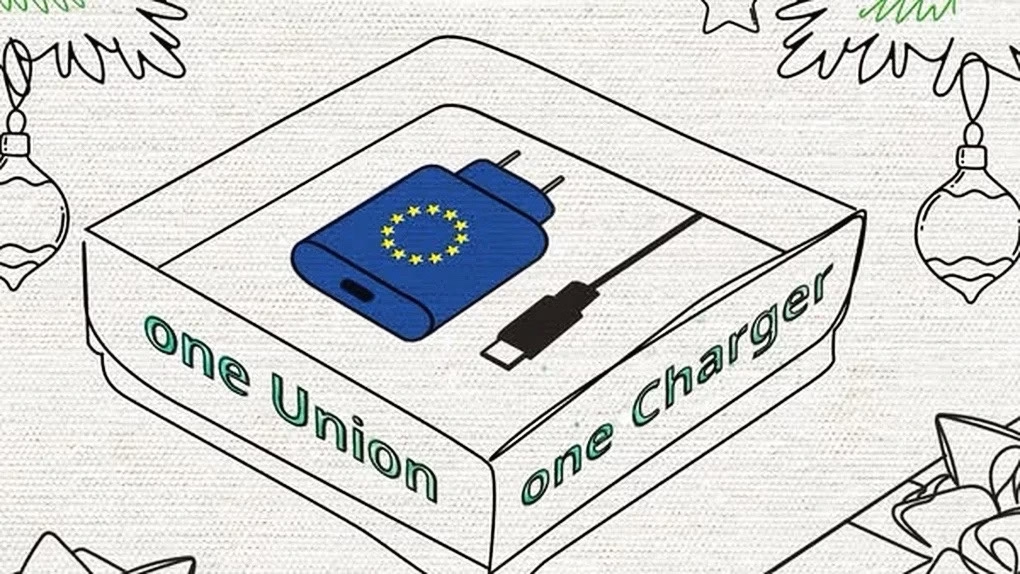
USB-C is officially the common charging standard for electronic devices sold across the EU. This change comes as part of a broader initiative to harmonize technology, reduce e-waste, and simplify the lives of consumers.
What This Means
With USB-C now the mandatory standard, here’s what you can expect:
• Universal Compatibility: All new phones, tablets, and cameras sold in the EU will now use the same type of charger. This eliminates the need for multiple cables for different devices, making charging much more convenient.
• Harmonized Fast-Charging Technology: Fast-charging capabilities will now be standardized across devices, ensuring optimal charging speeds regardless of the brand.
• Less E-Waste: By reducing the need for different chargers and cables, this regulation is expected to significantly cut down on electronic waste, a critical step towards a more sustainable future.
• Simplified Life: No more searching for the “right cable” or dealing with incompatible chargers when switching between devices.
The Broader Impact
The adoption of a single charging standard marks a significant shift in the EU’s approach to digital technology. By prioritizing consumer convenience and environmental sustainability, the new regulations aim to create a more efficient and eco-friendly market.
Additionally, this change could set a global precedent. Other regions might follow suit, leading to greater uniformity in charging standards worldwide.
What’s Next?
Consumers can expect to see USB-C ports as the default across a wide range of electronic devices. While this change is immediate for phones, tablets, and cameras, the EU is also eyeing similar measures for other electronics, such as laptops.
As the EU takes this step, one thing is clear: the era of cluttered cables and incompatible chargers is over. USB-C is here to simplify charging and contribute to a greener, more unified tech ecosystem.