
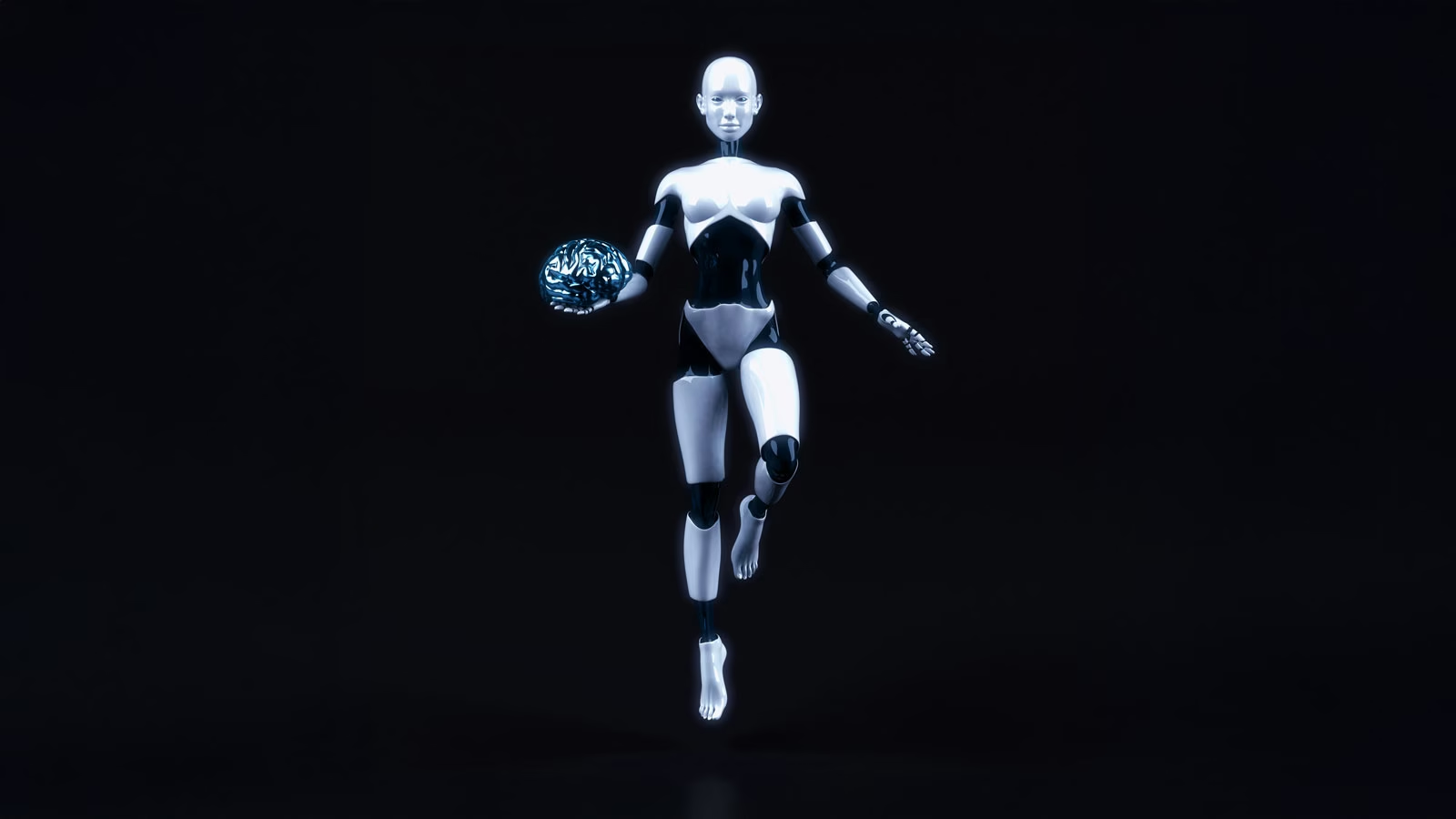
According to a report by The Information, OpenAI has recently explored the idea of developing its own humanoid robot. The report cites “two people with direct knowledge” of these discussions, marking a potential pivot for the company that could reshape its role in the AI landscape.
While this is not OpenAI’s first foray into robotics, the prospect of building a humanoid robot is noteworthy. In 2021, the company quietly shuttered its robotics division, signaling a temporary retreat from the space. Since then, however, significant advancements in both AI systems and robotics hardware have reinvigorated interest in the field. These developments may have prompted OpenAI to reconsider its position.
Even during its hiatus from direct robotics development, OpenAI has maintained a presence in the field through strategic investments. The company has backed robotics-focused startups such as Figure and 1X and the “general purpose AI” firm Physical Intelligence. These partnerships reflect OpenAI’s continued belief in the potential of robotics when combined with cutting-edge AI technologies.
OpenAI’s decision to re-enter the robotics space with a humanoid project faces significant hurdles. The robotics industry is already teeming with competitors, including well-funded startups and established tech giants. A re-formed robotics division at OpenAI would need to navigate this competitive landscape while addressing the steep learning curve it abandoned three years ago.
Short of acquiring existing startups with advanced capabilities, OpenAI would need to accelerate its efforts to catch up. The task would require substantial resources, not only in terms of hardware innovation but also in creating AI systems that seamlessly integrate into robotic frameworks.
The decision to explore humanoid robots aligns with broader industry trends. Humanoid designs offer versatility for various applications, from healthcare to customer service, and can potentially operate in environments designed for human interaction. OpenAI’s expertise in AI could give it a unique edge in creating robots capable of performing complex, adaptive tasks.
OpenAI has not yet confirmed these plans, leaving room for speculation about the company’s ultimate intentions. However, if it does commit to building humanoid robots, the move could redefine OpenAI’s identity, evolving from an AI software leader to a (probably) major player in the robotics industry.