
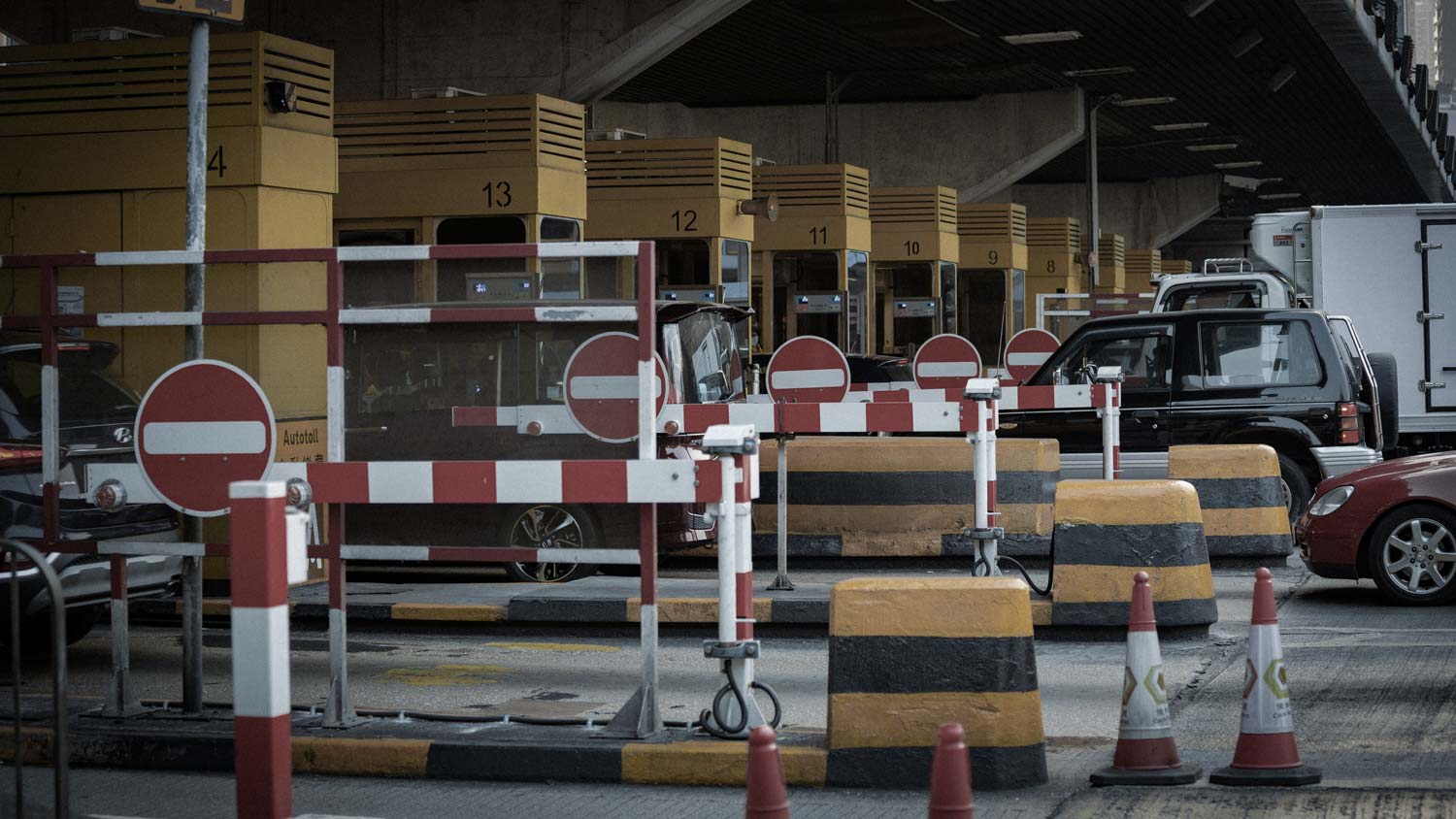
The Croatian Ministry of the Sea, Transport, and Infrastructure has unveiled legislative proposal that promises to modernize the way tolls are collected across the country’s motorway network. The Draft Law on Toll Collection, now open for public consultation until October 15, proposes the complete elimination of cash payments, shifting Croatia fully toward electronic and automated tolling.
A Digital Overhaul of the Toll System
At the heart of this initiative is the government’s commitment under the National Recovery and Resilience Plan, which includes the rollout of a unified electronic toll collection (ETC) system. The planned system will rely on microwave technology (5.8 GHz) and automatic license plate recognition (ALPR), enabling free-flow traffic without the need for physical barriers or toll booths.
“Existing toll booths will be removed; there will no longer be barriers and large queues at toll stations,” said Minister Oleg Butković.
The current system, heavily dependent on manual payments and physical infrastructure, only allows around 200 vehicles per hour to pass through toll stations. In contrast, the new system is expected to handle up to 3,000 vehicles per hour, drastically improving travel times and reducing congestion.
Two Payment Models for Different Vehicles
Under the proposed law, toll payment will be divided into two core methods:
- Freight vehicles and motorcycles: Must be equipped with an onboard electronic tolling device.
- Light vehicles (under 3.5 tons): Can either install the same device or register their license plates in the system for automated recognition and billing.
This flexibility for passenger cars is designed to ease the transition while still phasing out outdated payment methods like cash or physical toll cards.
A €80 Million Investment in Seamless Travel
The government has already taken concrete steps toward implementation. In September 2024, an €80 million contract was signed with Sky Toll (Slovakia) and TollNet (Czech Republic), in partnership with Croatian Motorways, to develop and install the new system. Funding is fully secured through the EU-backed National Recovery and Resilience Plan.
The project will:
- Cover all Croatian motorways, including concessions managed by Bina-Istra and Zagreb-Macelj Motorway
- Be monitored by 208 toll points at motorway junctions
- Utilize 74 mobile control units equipped with cameras and laser technology
Timeline and Implementation
According to Boris Huzjan, President of the Management Board at Croatian Motorways, full deployment is planned after the summer of 2026. A four-month pilot phase will precede the launch, during which both old and new systems will run in parallel for testing and calibration.
Importantly, Minister Butković has confirmed that toll prices will not increase, and no new charges will be introduced on previously free motorway sections.
What This Means for Drivers and Tech Infrastructure
Croatia’s digital tolling transformation is not just about convenience it represents a strategic upgrade of national infrastructure, aligning the country with the EU’s broader vision for smart mobility. By reducing bottlenecks and enhancing operational efficiency, the new system supports both economic recovery and long-term sustainability goals.