
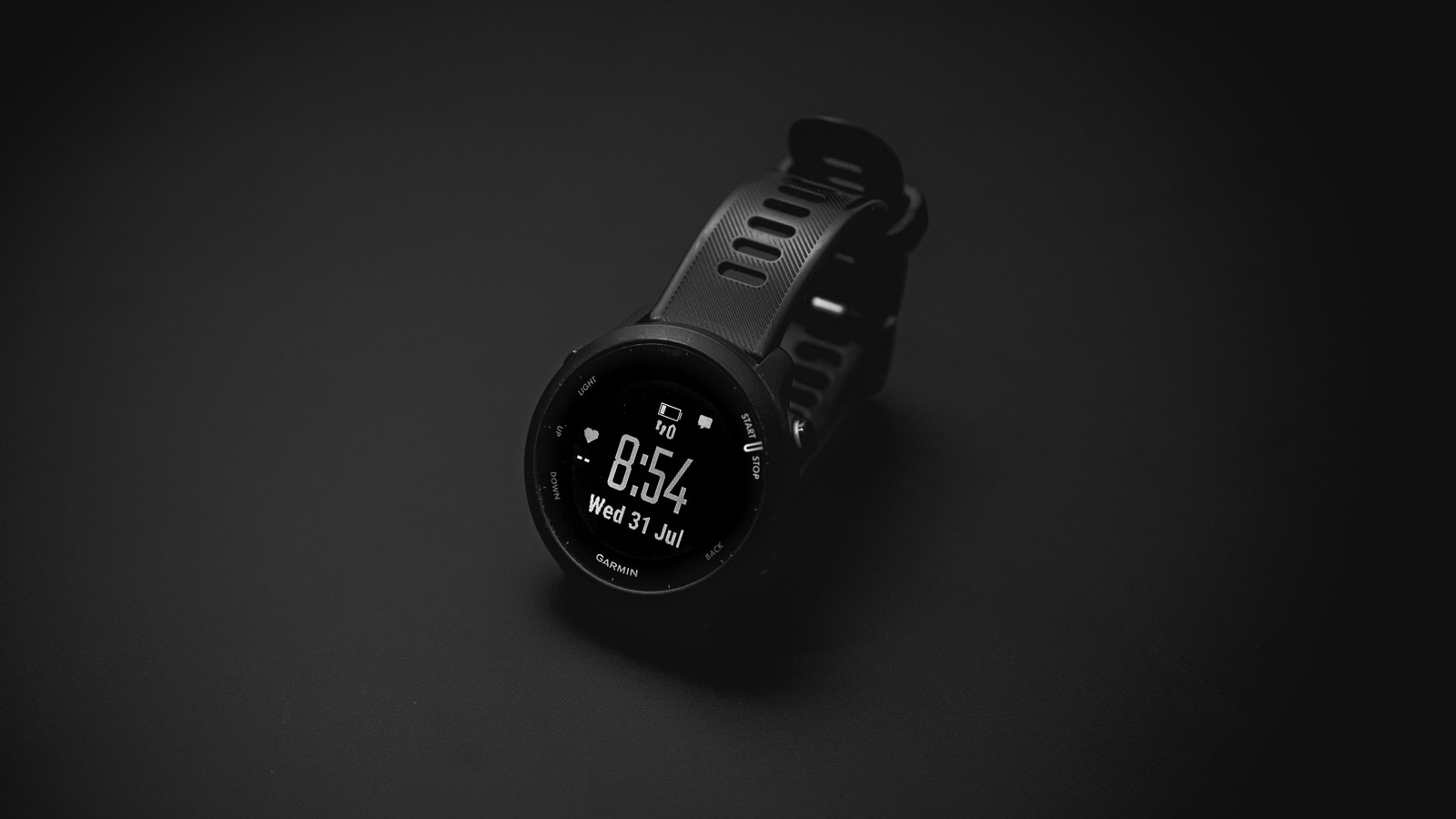
Garmin took a significant step in defending its paid subscription service on January 5, launching comprehensive nutrition tracking within its Connect app. The feature marks the fitness wearable maker’s most substantial addition to Connect Plus since the tier’s contentious debut in March 2025, as the company works to convince users that premium features justify ongoing payments beyond their already expensive hardware purchases.
What the Feature Offers
Connect Plus subscribers can now log meals through multiple methods: barcode scanning for packaged foods, AI-powered image recognition that identifies meals from photographs, and manual entry from a global food database. The system provides personalized calorie and macronutrient recommendations that adjust based on users’ activity levels tracked by their Garmin devices.
Integration extends to compatible smartwatches, allowing for direct food logging from the wrist through voice commands on select models. Users can view nutrition data alongside existing health and fitness metrics within the Connect app, creating what Garmin positions as a unified wellness tracking experience.
The app’s Active Intelligence system analyzes relationships between nutrition and other health factors, potentially alerting users when behaviors like late-night eating correlate with poor sleep quality. Nutrition metrics can be added to performance dashboards, and users gain access to consumption reports spanning daily to annual timeframes.
The Subscription Controversy
Connect Plus launched at $6.99 monthly or $69.99 annually, introducing a subscription model that contradicted Garmin’s longstanding no-subscription approach. The shift generated backlash from customers who argued that premium software features should accompany devices that often cost several hundred dollars.
Susan Lyman, Garmin’s Vice President of Consumer Sales and Marketing, framed the nutrition feature as accessible to users at any stage of their health journey, emphasizing a “simplified approach” that consolidates multiple data types. The company is offering new customers a 30-day free trial, with a limited 14-day extension available for returning users.
Competitive Landscape
Garmin enters a crowded nutrition tracking market where established apps have spent years building user bases and food databases. MyFitnessPal dominates with over 11 million foods cataloged, while Cronometer has carved out a niche among users seeking detailed micronutrient tracking at $59.99 annually. Lose It! offers an even more affordable option at $39.99 per year.
Connect Plus sits in the middle of this pricing spectrum, cheaper than MyFitnessPal’s premium tier but more expensive than budget alternatives. Garmin’s advantage lies in integration with its hardware ecosystem and the ability to correlate nutrition with data from its wearables, including heart rate, sleep patterns, and training load.
User Reception Remains Mixed
The feature’s arrival was foreshadowed by code discovered in Connect version 5.20, which revealed camera permissions and image upload infrastructure. Despite the technical preparation, thousands of users on platforms like Reddit continue expressing skepticism about the subscription model itself, viewing it as an unwelcome departure from Garmin’s traditional value proposition.
Whether nutrition tracking proves compelling enough to convert reluctant users into paying subscribers remains uncertain. Garmin faces the challenge of demonstrating that consolidated wellness tracking within its ecosystem offers sufficient value to justify ongoing payments, particularly when free and lower-cost alternatives exist for users willing to manage multiple apps.