
This year, at Tremend’s annual celebration, the company honored the people who bring its culture to life, colleagues who inspire, support, and embody its values in everything they do.
It’s that special moment each year when people recognize people. But this time, things were different. For the first time, Tremend’s team decided to do something bold: invite ChatGPT to help select the winners of its internal recognition program.
The idea felt exciting from the start: brave, modern, a beautiful blend of innovation and culture. Yet, it also came with a touch of anxiety. Could they write the right prompt? Would AI truly grasp what it means to live Tremend’s values? Would colleagues trust the results of a “machine” deciding who deserves recognition?
Despite the uncertainty, curiosity won over fear, that same fear many feel when hearing that AI might “take our jobs”. The fear of the unknown, of losing control, of being replaced by cold logic.
The question was simple yet profound: if AI can process massive amounts of data, could it also understand human value in an objective way? Could it act as a neutral eye, free from emotional bias?
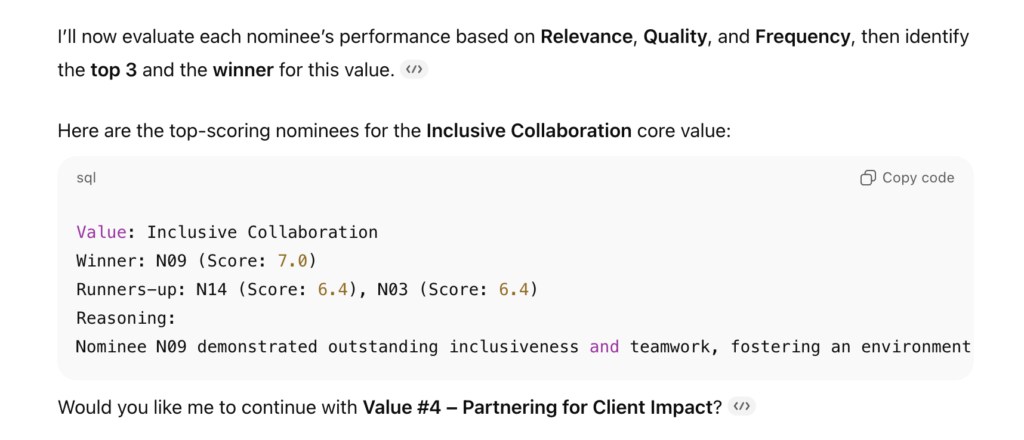
The process appeared clear and rigorous. AI was trained on the company’s five core values, analyzed all employee nominations, and scored them based on relevance, quality, and frequency: a fair, transparent, and logical approach. Until the results arrived.
The surprise? Three of the winners came from the same nominator. And upon a closer look, the team discovered something even more fascinating: those nominations had also been written with ChatGPT’s help.
Suddenly, the team found itself in a truly unique moment: an AI evaluating content generated by another AI. It was both amusing and thought-provoking. Could a system truly be “objective” when it’s so easily influenced by form over substance?
Even though the AI applied the same rules to everyone, it wasn’t truly fair. It favored structured, polished writing, not necessarily authentic, heartfelt emotion.
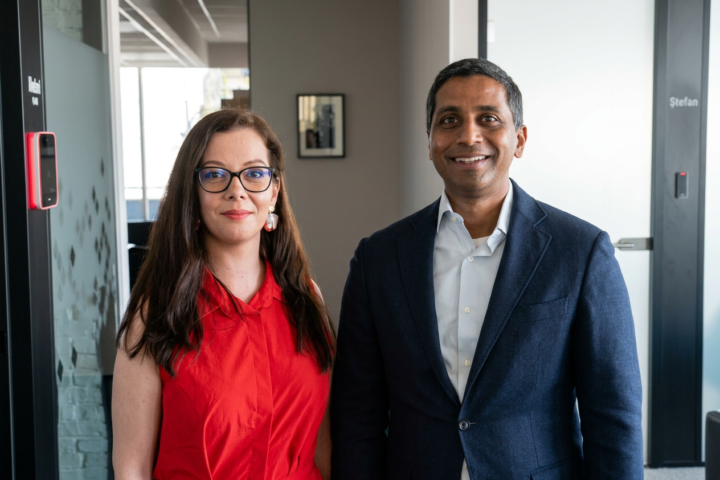
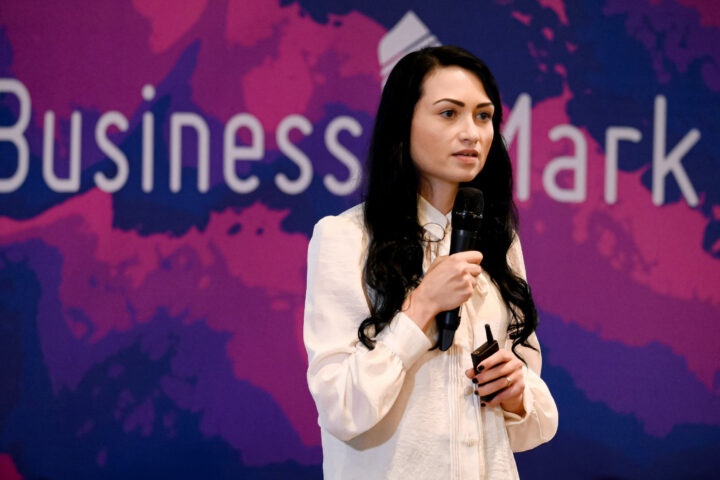
“When I found out that AI would be helping to choose the winners, I felt a mix of curiosity and determination. I took it as a personal challenge: could I write nominations that truly captured the spirit, kindness, and dedication of my colleagues in a way that even an algorithm could feel? I poured genuine emotion into every word, trying to show not just what people did, but who they are. When I later discovered that all three of my nominations had been selected, I was honestly moved. It felt like a reminder that even in a world shaped by technology, the most human stories still shine through.“, said Ana Trantea, Senior People Strategist at Tremend – Publicis Sapient.
For Ana, that became the most valuable lesson: fairness doesn’t come from algorithms. It comes from human understanding. AI can be an incredible partner, fast, consistent, and analytical. But only people can grasp the nuances, the intentions, the empathy behind the words.
That’s why the team chose not to let AI have the final say. Its results became a starting point, not a verdict. In the end, the core team expanded the recognition program, awarding more people per category to better reflect the diversity of values and the many ways employees live them every day.
Looking back, the experiment was worth it, not just for the outcome, but for the conversation it sparked: about trust, discernment, and the evolving role of humans in a digital world.
AI brings speed and consistency. People bring context, empathy, and judgment. Fairness isn’t found in the code; it’s found in how we choose to use it. And perhaps that’s where the real conversation about AI in HR truly begins.