
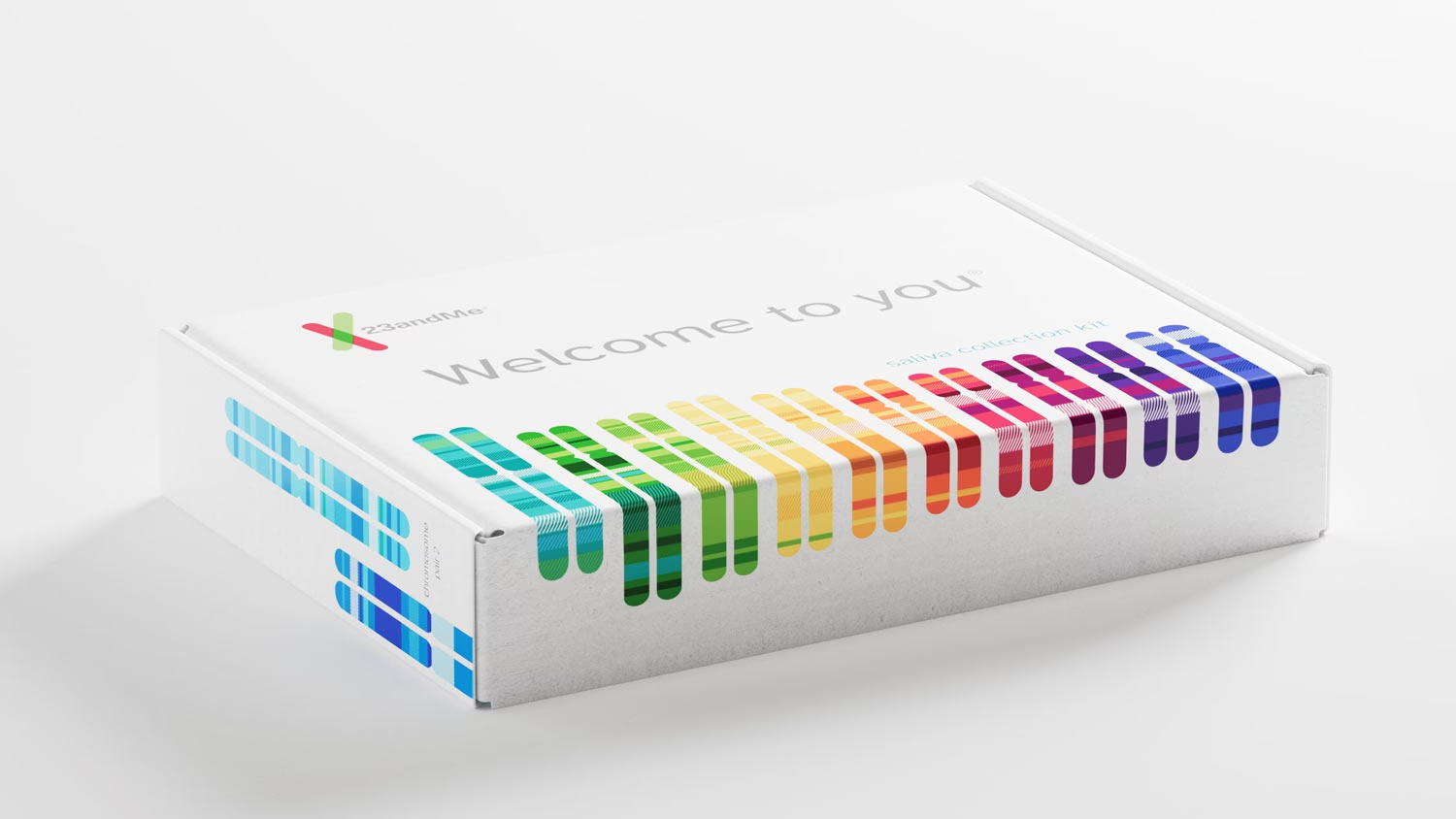
The DNA-testing giant 23andMe has filed for bankruptcy, sending shockwaves through the personal genetics industry and raising critical questions about the fate of millions of customers’ most personal data: their genetic information.
The Rise and Fall of a Genetic Testing Pioneer
Once a darling of the consumer genetics market, 23andMe successfully popularized at-home DNA testing but struggled to transform its consumer appeal into a sustainable business model. Despite attracting millions of customers eager to explore their genetic heritage, the company faced significant challenges, including:
- Costly delays in pharmaceutical drug development
- Unsuccessful attempts to launch subscription-based services
- Difficulties monetizing the vast genetic database it had accumulated
Immediate Implications for Customers
The company has reassured its approximately 15 million customers that, for now, operations will continue normally. Customers can still:
- Order test kits
- Process existing orders
- Access their genetic information
Protecting Your Genetic Data: Key Steps
1. Data Deletion Options
Customers concerned about their genetic information have a clear path to deletion:
- Log into your 23andMe account
- Navigate to “Settings”
- Scroll to “23andMe Data”
- Click “Permanently Delete Data”
- Confirm deletion through the email link
2. Legal Considerations
The potential sale of genetic data is fraught with privacy concerns. Notably:
- Genetic data is considered a core business asset
- A new buyer could potentially use the data for pharmaceutical research
- The company’s existing privacy policy may not provide comprehensive protection
Regulatory Landscape
California’s Attorney General Rob Bonta has urged consumers to be proactive, recommending:
- Deletion of personal genetic information
- Destruction of stored genetic samples
- Careful review of any new privacy policies
What Makes This Concerning
Unlike medical records protected by HIPAA, genetic testing data exists in a regulatory gray area. A new owner could potentially:
- Immediately change privacy policies
- Sell data to the highest bidder
- Repurpose genetic information for various research or commercial purposes
Looking Ahead
While 23andMe has identified over 50 potential drug candidates and has two in early human trials, the company’s bankruptcy introduces significant uncertainty about the future of this research and, more importantly, customer data.
Recommendations for Customers
- Act quickly to delete your genetic data if you’re uncomfortable with potential sale
- Carefully review any communications about data transfer
- Be prepared to opt out of new privacy policies
- Consider the long-term implications of your genetic information being a tradable asset
The 23andMe bankruptcy serves as a critical reminder of the complex landscape of personal data in an era where information is increasingly valuable and vulnerable.